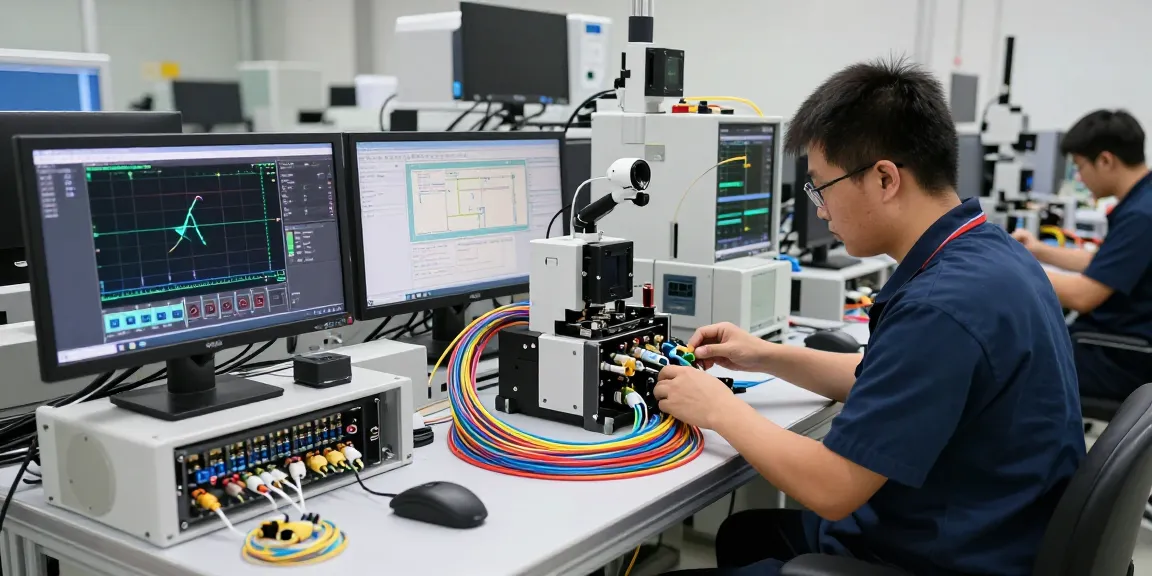
Understanding Optical Cables and Their Significance
Optical cables are the backbone of modern communication networks, enabling high-speed data transmission over long distances with minimal signal loss. By converting electrical signals into light and transmitting them through fiber strands, these cables revolutionize connectivity in a variety of applications. As organizations increasingly adopt advanced technologies, the demand for reliable optical cables continues to rise, making it essential for businesses to understand their significance and how they can impact network performance.
What are Optical Cables?
Optical cables, also known as fiber optic cables, consist of thin strands of glass or plastic fibers that transmit light signals. These cables are designed to carry data by using light pulses, which are generated by lasers or LEDs. The core of the fiber, surrounded by a cladding layer with a lower refractive index, allows light to be guided through total internal reflection. This technology provides a high level of bandwidth and enables the transfer of vast amounts of data at incredible speeds, well beyond that achievable with traditional copper cables.
Applications and Use Cases of Optical Cables
Given their superior performance characteristics, optical cables are employed in a wide range of applications, including:
- Telecommunications: Serving as the backbone for internet and telephone networks, optical cables facilitate high-speed data transfer needed for modern communication.
- Data Centers: Data centers utilize these cables to connect servers and storage arrays, ensuring fast and reliable data exchange.
- Broadcasting: Optical cables are widely used in broadcasting to transmit high-definition video and audio signals without degradation.
- Military and Aerospace: In these sectors, fiber optics provide secure and efficient communications, often in extreme environments.
Benefits of Incorporating Optical Cables in Networking
The advantages of using optical cables over traditional copper solutions are compelling:
- Higher Bandwidth: Optical cables can support significantly higher bandwidths, making them ideal for data-intensive applications.
- Longer Distances: They can transmit signals over much longer distances without the need for signal boosters.
- Immunity to Interference: Unlike copper cables, optical cables are not susceptible to electromagnetic interference, ensuring clearer signals.
- Reduced Energy Consumption: The efficiency of fiber optics can lead to lower energy costs in large networks.
Cost Factors Influencing Optical Cable Pricing
The costs associated with optical cables can vary significantly due to several factors that impact pricing. Understanding these elements is crucial for effective budget planning and procurement.
Materials and Manufacturing Processes
The materials used in the production of optical cables greatly influence their overall price. High-quality glass fibers, protective coatings, and specialized connectors can increase costs. Additionally, the manufacturing process—whether it involves advanced technologies for low-loss fibers or standard production lines—also plays a significant role in pricing. Premium brands often invest in cutting-edge technology, resulting in superior performance and durability, though at a higher price point.
Installation Costs and Labor Considerations
Installation is another integral component of total costs. Hiring skilled technicians to install optical networks can add a significant expense, particularly in complex environments where specialized equipment is necessary. It is important to account for labor costs along with materials to get a complete picture of the budgeting process.
Ongoing Maintenance and Upkeep Expenses
While optical cables typically require less maintenance than copper alternatives, they are not entirely maintenance-free. Factors such as environmental conditions and network usage can necessitate periodic inspections and upkeep, which should be considered in the long-term cost assessment.
Comparative Analysis of Optical Cable Pricing Models
Businesses often face choices regarding how to procure optical cables. Understanding different pricing models can help organizations make informed decisions that align with their financial strategies.
One-Time Purchase vs. Subscription Models
The traditional one-time purchase model allows businesses to buy cables outright, which can be advantageous for companies with immediate needs. However, a growing number of providers offer subscription services, which can include regular updates, maintenance, and on-demand support, potentially enhancing overall cost-effectiveness.
Cost-Benefit Analysis of Leading Brands
Conducting a cost-benefit analysis of various brands can yield insights into long-term value. While some brands may have higher upfront costs, their proven reliability and performance may justify the investment, particularly in mission-critical environments.
Hidden Costs and Additional Expenses to Consider
While comparing prices, it is essential to be aware of hidden costs such as shipping fees, potential customs duties, and any additional charges for service and support. Understanding the full scope of expenses associated with procurement can prevent budget overruns.
Strategies for Optimizing Optical Cable Procurement
Optimizing procurement strategies can lead to significant cost savings and operational efficiencies when sourcing optical cables.
Leveraging Preferred Customer Pricing Programs
Effective programs, such as FiberElectronics' Preferred Customer Pricing Program (PCPP), can streamline the procurement process. By joining such initiatives at zero cost, businesses can gain access to locked-in pricing, reduced lead times, and tailored service that align with their specific needs.
Streamlining the Purchasing Process for Savings
Streamlining the purchasing process by eliminating unnecessary administrative tasks can result in significant savings. Implementing automated systems for order processing and inventory management can help businesses focus on their core operations while ensuring timely access to essential materials.
Building Long-Term Vendor Relationships for Better Rates
Establishing strong relationships with vendors can provide opportunities for better pricing and terms. Collaborating with providers on long-term contracts can lead to locked-in savings and enhanced service levels, making both parties more competitive in the market.
Future Trends in Optical Cable Technology by 2026
The optical cable industry is evolving rapidly, with several trends expected to shape the landscape by 2026. Staying ahead of these trends will be crucial for businesses aiming to maintain a competitive edge.
Innovations in Fiber Optic Materials and Design
Advancements in materials technology are leading to the development of next-generation optical cables that offer even greater bandwidth and reduced signal loss. Innovations such as multi-core fibers and specialty coatings will enhance performance and durability, making these solutions more attractive for demanding applications.
Emerging Applications in AI and 5G Networks
As artificial intelligence (AI) and 5G networks expand, the demand for high-performance optical cables will grow. These technologies require robust connectivity to handle enormous data flows, with optical solutions providing the necessary infrastructure to support their deployment.
Forecasting Market Trends for Optical Cables
Market analysts predict sustained growth in the optical cable sector, driven by increasing internet traffic, cloud computing demand, and the IoT proliferation. Companies that can anticipate these changes and adapt their procurement strategies accordingly will be better positioned for success.
What are the common types of optical cables?
Common types of optical cables include single-mode and multimode fibers. Single-mode fibers are designed for long-distance communication, while multimode fibers are suited for shorter distances and provide higher bandwidth over short runs.
How does optical cable performance impact overall network efficiency?
The performance of optical cables directly influences network efficiency. High-quality cables reduce latency, prevent data loss, and enable faster data transfer rates, which enhances the overall user experience in a digital environment.
What should I consider when selecting an optical cable?
When selecting an optical cable, consider factors such as distance, bandwidth requirements, installation environment, and type of connections needed. Additionally, ensure compatibility with existing infrastructure for seamless integration.
Are there environmentally friendly options for optical cables?
Yes, many manufacturers are developing environmentally friendly optical cable options that use sustainable materials and comply with regulations such as RoHS. Choosing these products can mitigate environmental impact while maintaining performance standards.