The Basics of Bounce Houses
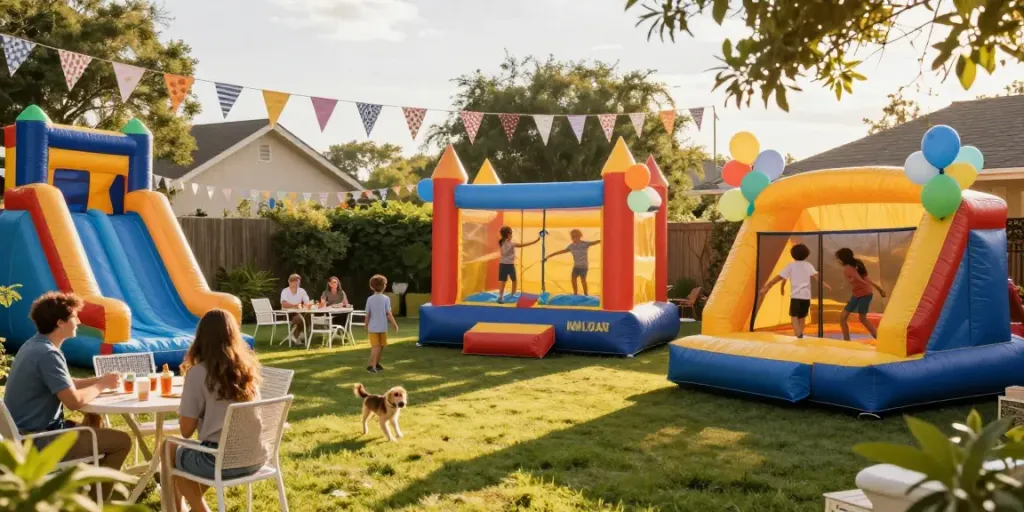
Bounce houses, also known as inflatable castles or moonwalks, have become a staple at children's parties and events. These vibrant structures not only provide endless entertainment but also serve as a great way to encourage physical activity among kids. Understanding the various aspects of bounce houses, from their construction materials to safety standards, is vital for ensuring a fun and safe experience for everyone involved. When exploring options, bounce houses offer comprehensive insights into what to consider when planning an event.
What Are Bounce Houses Made Of?
Bounce houses are typically constructed from durable vinyl or nylon materials that are both lightweight and resistant to punctures. The outer shell consists of heavy-duty fabric, while the seams are reinforced to withstand the rigors of enthusiastic play. Additionally, many manufacturers use a fire-resistant material to comply with safety regulations. The inflatable structure is then supported by air, requiring a consistent flow of air to maintain its shape, which is achieved via an electric blower.
How Do They Inflate and Deflate?
Inflating a bounce house is a straightforward process requiring an electric blower. When the blower is turned on, it fills the structure with air, creating an inflated barrier that children can safely jump on. The process typically takes just a few minutes. When it’s time to deflate the bounce house, the blower is turned off, and the air is released through a designated valve. Many modern units include a quick-release function to expedite deflation, allowing for rapid packing and storage after events.
Safety Standards for Bounce Houses
Safety is paramount when it comes to bounce houses. In the United States, various organizations, including the American Society for Testing and Materials (ASTM), outline specific standards that inflatable manufacturers must meet. These standards address design, manufacturing, and even operational regulations. Additionally, it's crucial for users to establish safety rules, such as proper age limits and maximum capacity, to prevent overcrowding and potential accidents.
Choosing the Right Bounce House
Selecting the right bounce house for your event requires careful consideration of multiple factors. Not only do you need to assess the preferences of your guests, but also the space available for setup, safety regulations, and intended usage. There are numerous resources available to help navigate these options effectively.
Factors to Consider When Renting Bounce Houses
- Space Availability: Measure the area where the bounce house will be set up to ensure it fits comfortably.
- Age Group: Different bounce houses cater to various age ranges; select one that is appropriate for the children attending.
- Rental Duration: Determine how long you will need the bounce house and if your rental company offers flexible options.
- Weather Conditions: Consider whether the bounce house will be used indoors or outdoors, taking into account wind and rain.
Different Types of Bounce Houses Available
There are various types of bounce houses to choose from, each with unique features and themes:
- Standard Bounce Houses: Simple structures primarily designed for jumping.
- Themed Bounce Houses: These come in various designs like castles or popular characters, making them visually appealing to children.
- Combo Units: These often include slides and other activities in addition to the bounce area, providing more entertainment options.
- Water Bounce Houses: Ideal for hot days, these incorporate water slides or splash areas.
Assessing Size and Capacity Needs
When selecting a bounce house, one critical aspect is determining its size and capacity. Most bounce houses indicate the maximum number of users allowed at one time based on age and weight. For safety, it is crucial to adhere to these guidelines. Always consider the number of kids attending your event to ensure you rent a bounce house that can accommodate everyone comfortably.
Setting Up and Maintaining Bounce Houses
Step-by-Step Setup Guide for Bounce Houses
Setting up a bounce house can be a straightforward process if done correctly. Here’s a step-by-step guide:
- Clear the area where you intend to set up the bounce house of debris and sharp objects.
- Unpack the bounce house and lay it flat on the ground.
- Connect the blower to the bounce house’s air tube securely.
- Turn on the blower and allow the structure to inflate completely.
- Once inflated, secure it with stakes or weights to prevent movement.
Regular Maintenance Tips for Longevity
To extend the lifespan of your bounce house, regular maintenance is essential. Here are a few tips:
- Clean the surface with a mild soap and water solution after each use.
- Check for any tears or damage after every rental and perform necessary repairs promptly.
- Store the bounce house in a cool, dry place when not in use to prevent mold and mildew.
- Follow the manufacturer's guidelines for inflation and deflation to avoid stress on seams.
Common Setup Mistakes to Avoid
While setting up a bounce house may seem easy, several common mistakes can compromise safety:
- Ignoring Space Requirements: Failing to measure the setup area can lead to inadequate space for jumping and safety zones.
- Neglecting Safety Precautions: Not following safety guidelines regarding the number of users can increase the risk of accidents.
- Improper Anchoring: Not securing the bounce house adequately can result in it being moved by wind or heavy usage.
Planning Events with Bounce Houses
How to Incorporate Bounce Houses in Your Party Theme
Incorporating a bounce house into a party theme can enhance the overall experience. Choose a bounce house that complements your theme; for example, a princess castle bounce house for a royal-themed party or a pirate ship design for an adventurous event. Additionally, consider coordinating other activities and decorations to align with your chosen theme for a cohesive look.
Creative Ideas for Bounce House Activities
Bounce houses can accommodate various fun activities beyond just jumping. Here are some creative ideas:
- Obstacle Courses: Set up an inflatable obstacle course within the bounce house for a fun challenge.
- Games: Organize games like “bounce and catch” where kids bounce while trying to catch balls thrown from the outside.
- Photo Ops: Create a photo booth area near the bounce house decorated with themed props for memorable snapshots.
Managing Safety During Events
To ensure a safe environment during your event, designate an adult or older teen as a supervisor for the bounce house area. This person should monitor usage, enforce safety rules, and ensure kids are using the bounce house appropriately. It’s also helpful to have a first aid kit on hand in case of minor accidents.
Future Trends in Bounce House Technology
Innovative Features to Look for in 2026
The bounce house industry continues to evolve, with innovations enhancing safety and fun. Upcoming trends to watch for in 2026 include:
- Smart Technology: Features like built-in weight sensors to warn when maximum capacity is reached.
- Interactive Elements: Bounce houses with integrated games or augmented reality features that engage users beyond traditional bouncing.
- Modular Designs: Bounce houses that can be customized or expanded with additional inflatable sections based on event needs.
Eco-Friendly Bounce House Options
With a growing emphasis on sustainability, many manufacturers are developing eco-friendly bounce houses made from recycled materials. Moreover, energy-efficient blowers are being designed to reduce power consumption, aligning with the demand for greener event options.
Trends in Event Planning with Bounce Houses
As event planning continues to evolve, incorporating bounce houses is becoming increasingly popular for both children and adults. Bounce houses are now being included in corporate events and family reunions, often customized to fit the event’s theme or branding. This trend reflects a broader shift toward creating engaging, memorable experiences at events.
What age group are bounce houses suitable for?
Typically, bounce houses are suitable for children aged 2 to 12 years, depending on the specific model. It's essential to adhere to the manufacturer's age and weight recommendations for safe usage.
How do I ensure the safety of my kids in a bounce house?
To ensure safety, set clear rules, monitor usage actively, and limit the number of children in the bounce house at one time. Regular checks for damage and proper setup can also help maintain a safe environment.
Can bounce houses be used indoors?
Yes, bounce houses can be used indoors as long as there is sufficient space and height. Indoor venues must also provide proper ventilation and safety measures to accommodate their usage.
How much do bounce house rentals typically cost?
The cost of renting bounce houses generally ranges from $160 to $200 for a standard rental period of 4-6 hours. Prices may vary depending on the size, type, and rental company.
What permits are needed for renting bounce houses at events?
Depending on local regulations, some areas may require permits for using inflatables at public parks or events. It’s best to check with your local authorities to ensure compliance.