The Evolution of Hair Extensions: A 2026 Overview
Hair extensions have come a long way from their humble beginnings, evolving into a multi-billion dollar industry fueled by a desire for versatility in hairstyling. In 2026, consumers have access to a wide range of options that not only enhance their natural beauty but also reflect a growing commitment to sustainability and ethical sourcing. From clip-ins to tape-ins, the variety of styles and materials available today cater to diverse hair types and personal preferences.
As you explore options, hair extensions offer comprehensive insights into the latest trends, techniques, and styles. To understand the nuances of hair extensions, it's essential to first delve into the types and materials that dominate the market today.
Understanding Hair Extensions: Types and Materials
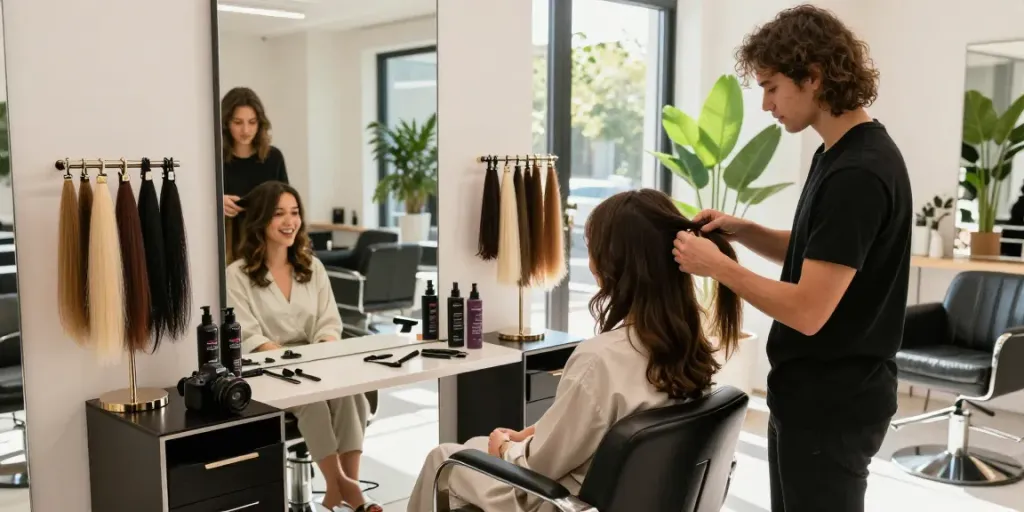
The hair extension market features several types of products, each designed for specific needs and lifestyles. The most common types include:
- Clip-In Extensions: These are temporary and can be easily applied and removed at home, making them perfect for individuals looking to change their hairstyle for special occasions.
- Tape-In Extensions: Applied using double-sided tape, these extensions are semi-permanent and can last from four to eight weeks, providing a more seamless look.
- Sew-In Wefts: Also known as weave extensions, these are often used for thicker hair and require a professional to install, making them a more long-term solution.
- Fusion Extensions: These involve using keratin bonds to attach extensions to natural hair, offering a natural look but requiring specialized application techniques.
Each type has its own advantages and considerations regarding wearability, maintenance, and cost. The materials used also differ, with options ranging from synthetic fibers to 100% human hair, which is generally preferred for its natural look and feel.
The Rise of Sustainable and Ethical Hair Sourcing
As consumers become more conscious of their impact on the environment and labor practices, the demand for ethically sourced hair extensions has surged. Companies are now prioritizing sustainable practices, ensuring that the hair is sourced from donors who have been fairly compensated. This not only supports the individuals providing the hair but also appeals to a growing market seeking responsible consumption.
Brands are increasingly transparent about their sourcing processes, showcasing partnerships with organizations that adhere to ethical standards. This trend signifies a shift towards valuing quality and transparency over mere aesthetic appeal.
Technological Innovations in Hair Extension Application
Advancements in technology have significantly improved the methods of applying hair extensions, leading to quicker and more efficient processes. Innovations like the use of ultrasonic technology in fusion extensions have made the application less damaging to natural hair, while developments in adhesives for tape-in extensions have increased their durability and longevity.
Moreover, new tools such as heat-free application systems allow users to apply extensions without the use of heat, thus preserving hair integrity. As the industry continues to innovate, consumers can expect even more user-friendly and damage-free application methods in the coming years.
Styling Trends: How to Wear Hair Extensions This Year
With the evolution of hair extensions comes an array of styling trends that offer new ways to express individual style. In 2026, the following trends are particularly noteworthy:
Popular Styles: From Clip-Ins to Tape-Ins
The versatility of hair extensions allows for various styling options that cater to different occasions. For an effortless everyday look, clip-ins can add instant volume and length without the commitment. In contrast, tape-ins provide a more natural look for long-term wear, favored by those who want a polished appearance without drastic changes.
Color Trends: Matching Your Extensions to Your Hair
Color matching continues to be pivotal when it comes to integrating extensions with natural hair. In 2026, balayage and ombre techniques are at the forefront, allowing users to blend highlights and lowlights seamlessly. Furthermore, customizable shades are increasingly popular, enabling users to match their unique hair color precisely.
Extension Care: Maintaining Your Style and Health
Proper care is essential to maintain the quality and appearance of hair extensions. Regular conditioning, gentle brushing, and avoiding excessive heat are foundational practices that can prolong the life of extensions. Additionally, investing in quality products specifically designed for extensions can make a significant difference in their longevity.
Choosing the Right Hair Extensions for Your Needs
Selecting the right hair extensions can be overwhelming with so many options available. Here are some tips to help you make the best choice:
How to Select Quality Hair Extensions
When searching for hair extensions, look for products that use high-quality human hair. Remy hair, which has cuticles aligned in the same direction, is generally considered the best for its natural look and feel. Always check reviews and seek reputable brands known for their quality.
Understanding Your Hair Type and Its Compatibility
Different hair textures and types respond differently to extensions. For instance, fine hair may benefit from lighter clip-ins, while coarse hair might require thicker wefts or tape-ins for a secure hold. Understanding your natural hair type is crucial in selecting extensions that blend seamlessly.
Professional vs. DIY Installation: Pros and Cons
While some may opt for the DIY approach to save costs, professional installation often yields the best results, especially for semi-permanent methods like tape-ins or sew-ins. A trained stylist will ensure the extensions are applied correctly, minimizing damage and maximizing longevity. Consider your skills, budget, and the type of extensions you choose when making this decision.
Cost Considerations: Budgeting for Hair Extensions
Investing in hair extensions can vary widely depending on the type, quality, and method of application. Understanding the costs associated with each can help you budget effectively.
Average Costs: What You Should Expect to Pay
On average, clip-in extensions can range from $100 to $300, while tape-ins may cost between $200 and $600 for installation and the product itself. Sew-in wefts typically cost more due to the professional application required. Always consider the long-term costs, including maintenance and potential future purchases.
Value vs. Price: Investing in Quality Hair
While it may be tempting to purchase the cheapest options available, investing in high-quality hair extensions can save you money in the long run. Quality extensions last longer, require less maintenance, and provide a more natural appearance, making them worth the investment.
Where to Buy: Retailers and Online Options
Hair extensions can be purchased from a variety of retailers, both online and in-store. Reputable brands often have a dedicated website that provides detailed information on their products, ensuring you can find exactly what you need. Consider options like GOO GOO Hair for a wide selection of high-quality extensions.
Future Innovations: What to Anticipate in Hair Extensions
The future of hair extensions looks bright, with innovative technologies on the horizon that promise to enhance usability and sustainability. Here are some trends to watch out for:
Emerging Technologies in Hair Extension Manufacturing
As technology advances, new manufacturing processes are being developed to create lighter, more natural-looking extensions. Innovations in material science may allow for synthetic options that mimic the look and feel of human hair, offering a more affordable alternative without sacrificing quality.
Predicted Trends for 2027 and Beyond
Fashion trends are ever-changing, and the hair extension industry is no exception. Expect to see a further rise in customization, with extensions designed to match specific hair colors, styles, and even user preferences. The integration of smart technology, such as color-changing capabilities, may also make its way into popular extensions.
Your Role in the Sustainable Hair Movement
As consumers, we play a critical role in the sustainability movement. By supporting brands that prioritize ethical sourcing and environmentally friendly practices, we can contribute to a more sustainable future for the hair extension industry.
Frequently Asked Questions
How long do hair extensions usually last? The lifespan of hair extensions can vary significantly based on the type and care but generally ranges from three months to over a year.
Are extensions damaging to hair? If applied and maintained correctly, hair extensions should not cause significant damage. However, improper installation or lack of care can lead to issues.
What type of hair extension is the best? The "best" type depends on individual needs; however, Remy human hair extensions are often recommended for their natural look and versatility.
What is the average cost to have extensions put in your hair? Professional installation costs can range from $150 to $600 depending on the method used and the salon's location.
How can I care for my hair extensions properly? Regular washing, conditioning, and gentle handling are essential for maintaining the quality and appearance of hair extensions. Avoiding excessive heat styling and using products specifically designed for extensions can also prolong their lifespan.